
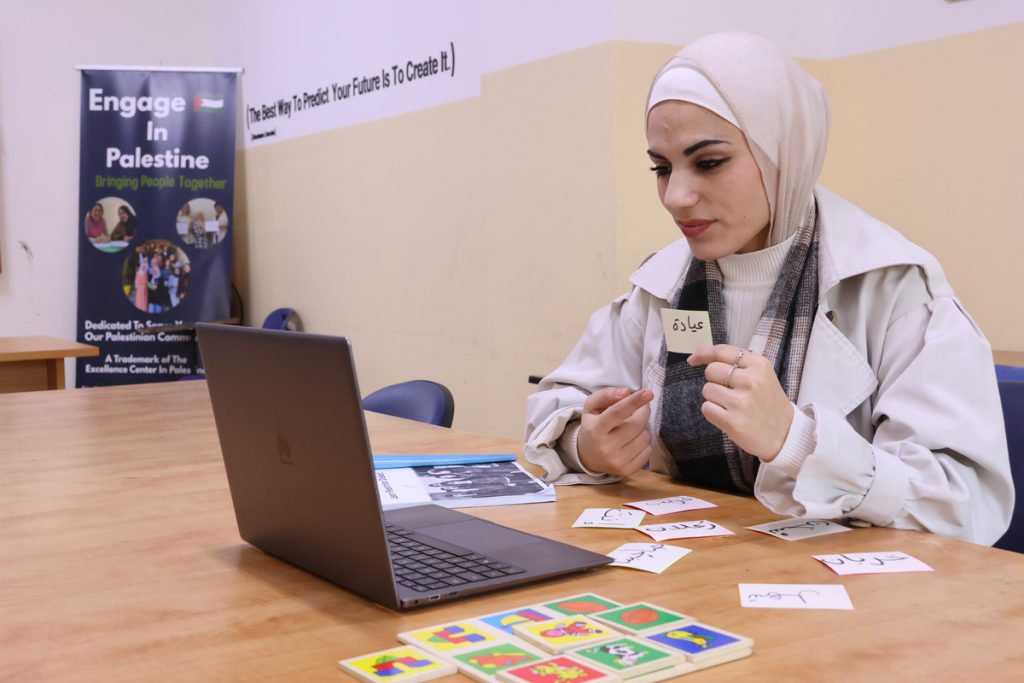
Beginner Modern Standard Arabic Online Course: Modern Standard Arabic, often called Fusha, is the shared formal language of the Arab world. It is the Arabic of newspapers, books, signs, official documents, and news broadcasts, and it is understood by educated speakers in more than twenty countries. If you want to read Arabic, write it, and build a solid base for every other form of the language, this is the place to start.
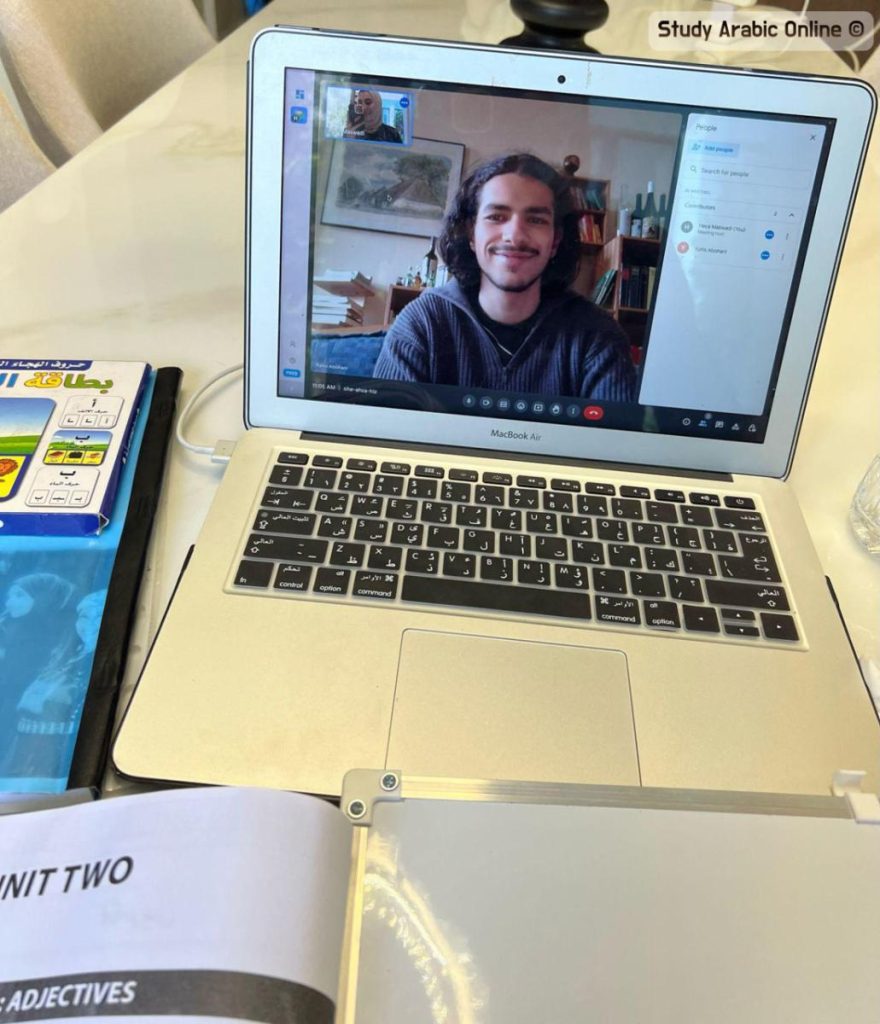
At Volunteer for Palestine, our beginner course takes you from your very first letter to simple reading, writing, and conversation. You study live with experienced native Arabic tutors, either one to one or in a small group, and no previous knowledge of Arabic is required.
This guide explains what the beginner course covers, what you will be able to do by the end of it, and how to start with a free trial lesson.
Book a Free Modern Standard Arabic Trial Lesson Online
Start your Modern Standard Arabic journey with a free online trial lesson. You will meet your certified tutor, talk about what you want to achieve, and experience a real one-to-one lesson. There is no payment and no commitment, just a simple first step toward reading, writing, and speaking Arabic.

Table of Contents
Why Learn Modern Standard Arabic Online?
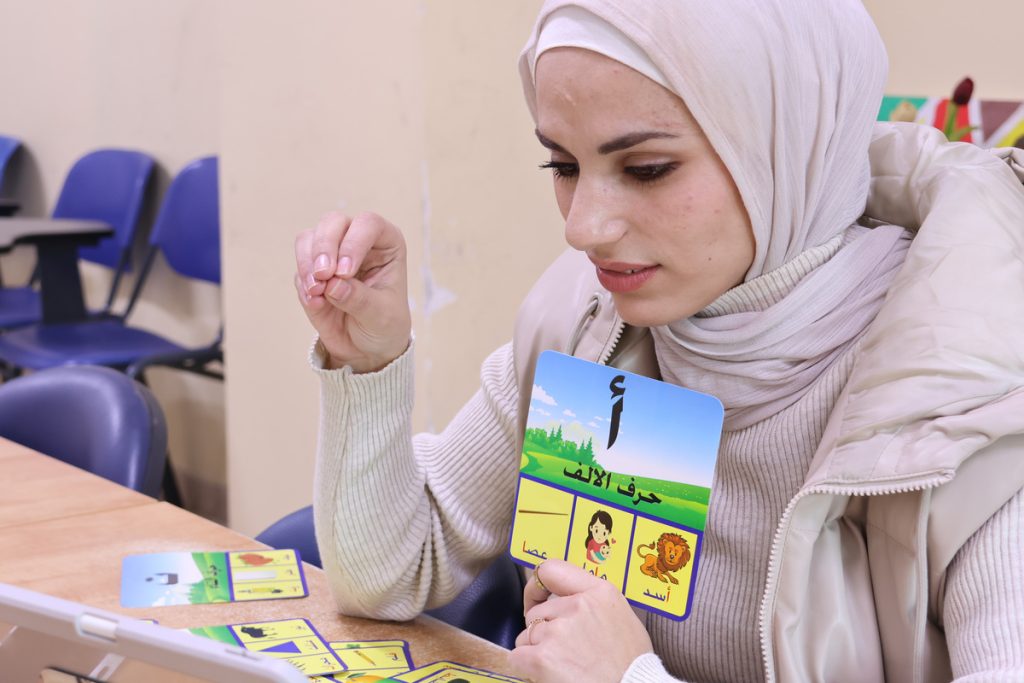
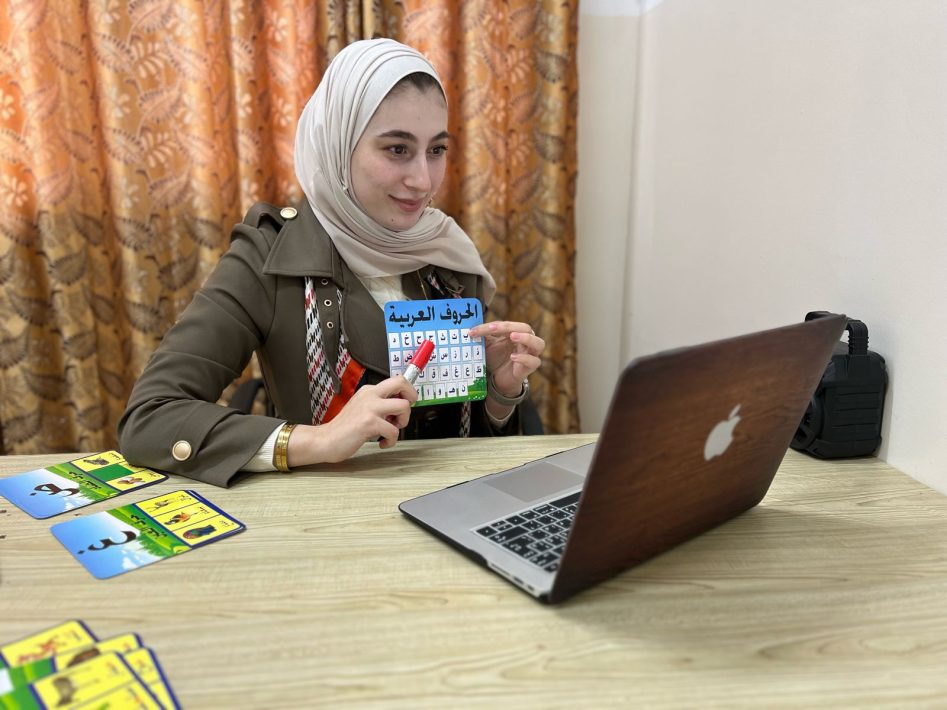
Learning Arabic script and grammar on your own can feel slow and confusing. With a live tutor, the alphabet stops being a puzzle and becomes a tool you use from the first week. Your tutor shows you how each letter sounds, how it connects to the next one, and how words come together on the page.
Online lessons also fit around your life. You can study from home, at work, or while traveling, at times that suit your time zone, and you can choose a relaxed pace or a more intensive plan.
Beginners choose Modern Standard Arabic for many reasons:
- Reading signs, menus, documents, and news in Arabic
- Preparing for university study of Arabic or Middle Eastern studies
- Building a foundation before learning a spoken dialect
- Working with Arabic texts in research, translation, or journalism
- Understanding religious and classical texts more closely
- Communicating in formal settings across the Arab world
What Is Modern Standard Arabic?
Modern Standard Arabic (MSA) is the standardized, formal variety of Arabic. It is used in education, literature, the press, official communication, and most written material, and it is the form taught in schools across the Arab world.
Everyday conversation, on the other hand, usually happens in local dialects such as Levantine or Egyptian Arabic. Those dialects grew from the same roots, so a solid grasp of MSA makes any dialect much easier to learn later.
For a beginner, MSA offers a clear, consistent system. Its grammar is well documented, its spelling is stable, and what you learn applies across the whole Arabic-speaking world.
What Will You Be Able to Do After the Beginner Course?
The beginner course is designed to give you a practical, confident start. By the time you complete it, you should be able to:
- Read and write the full Arabic alphabet, including connected letter forms
- Read and write simple words and short sentences
- Introduce yourself and talk about your family, nationality, and work
- Ask and answer basic questions in a short conversation
- Use Arabic in a limited range of everyday situations, such as shopping or talking about your routine
- Understand simple spoken and written Arabic on familiar topics
These skills prepare you for the next stage, where you start reading longer texts and speaking in more detail.
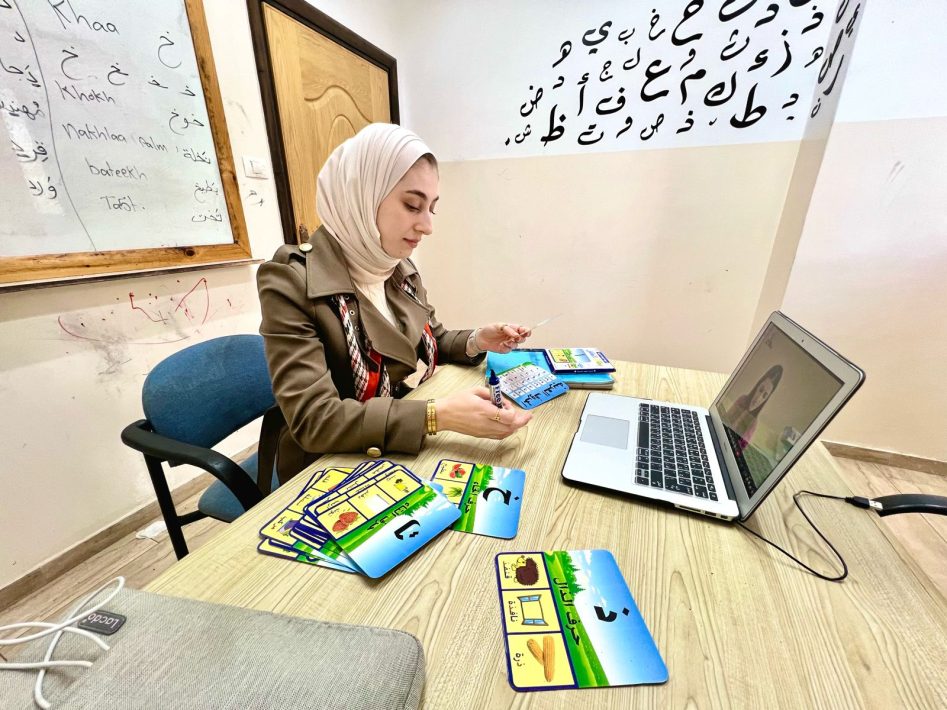
What Will You Learn as a Beginner?
Your tutor adapts the content to your pace and goals, but beginner lessons usually include the following areas.
The Arabic Alphabet and Pronunciation
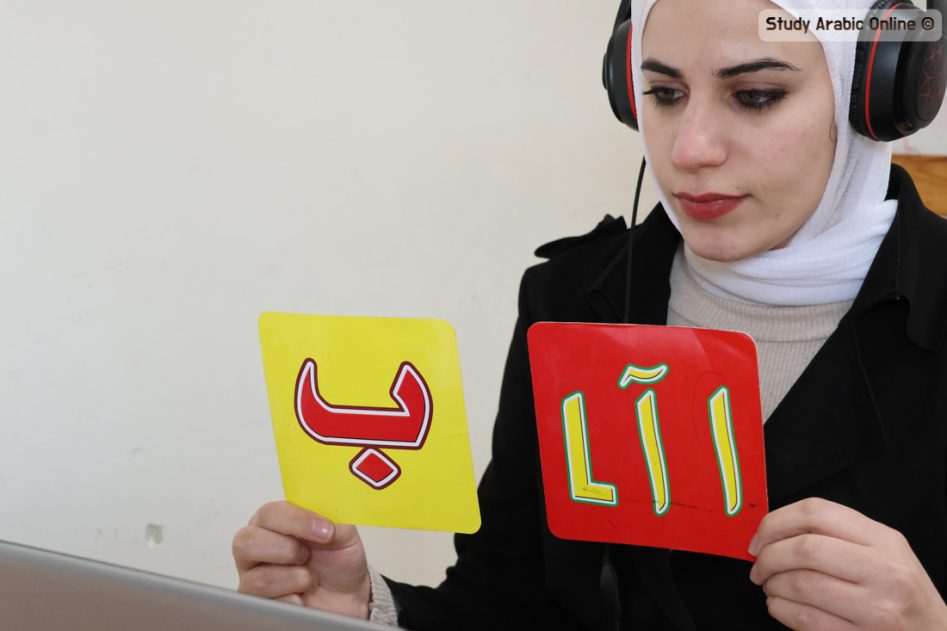
You learn all 28 letters, how they change shape at the start, middle, and end of a word, and how to pronounce the sounds that do not exist in English. Short vowels, long vowels, and other reading marks are introduced step by step.
Reading and Writing
Once the letters feel familiar, you move on to reading and writing whole words and then short sentences. Regular writing practice helps you recognize words quickly and spell them correctly.
Everyday Topics
Beginner vocabulary centers on the situations you meet first:
- Greetings and introductions
- Countries, nationalities, and professions
- Family and friends
- Numbers from 1 to 100
- Shopping, prices, and colors
- Days of the week and daily routines
- Your town, the weather, and university or school life
- Likes, dislikes, and simple opinions
Speaking and Listening
From the first lessons, you practice short exchanges in Arabic. You learn to understand clear, simple speech and to respond with basic sentences.
Basic Grammar
Grammar is introduced gradually and always through examples. Beginner lessons can cover:
- Masculine and feminine forms
- Subject and possessive pronouns
- The definite article and adjective agreement
- Nominal and verbal sentences
- The possessive construction (idafa)
- Singular, dual, and common plural patterns
- Present and past tense verbs
- Questions and negation
Your Beginner Learning Path
The beginner course is divided into three stages. Your tutor moves you to the next one when you are ready, not when a calendar says so.
Starter Stage
You begin with the sounds and shapes of the Arabic alphabet. By the end of this stage, you can read and write every letter, sound out short words, and use basic greetings and polite phrases.
Beginner Stage
Reading becomes smoother, and you start forming your own sentences. You introduce yourself, describe your family and hometown, count, talk about prices, and ask simple questions.
Elementary Stage
You read short paragraphs, write a few connected sentences about yourself and your daily life, and hold simple conversations on familiar topics. You also meet the past tense, plurals, and more vocabulary for study, work, and free time. Once you complete this stage, you are ready for intermediate Modern Standard Arabic.
Guided Self-Study Between Lessons
Live lessons are where you practice with your tutor, but steady progress also depends on what happens in between. That is why your course includes guided self-study.
After each lesson, your tutor suggests short tasks that match what you just covered, such as copying and reading new words aloud, completing writing exercises, reviewing vocabulary, or listening to a short recording. These tasks are designed to take only a little time each week, and they make your next lesson more productive.
Your tutor also checks your self-study work and uses it to see where you need extra support.
Learn with Experienced Native Arabic Tutors
At Volunteer for Palestine, you study with experienced native Arabic tutors who teach Modern Standard Arabic to international learners every day.
Our tutors hold degrees in Arabic or English studies and have taught students from more than 35 countries. As a beginner, you are paired with a tutor who speaks English well, so new points are explained clearly in English at first, then gradually uses more Arabic as your confidence grows. They know which letters and sounds cause beginners the most trouble and plan the lessons so each step feels manageable.
Your tutor can help you improve your:
- Reading
- Writing
- Pronunciation
- Vocabulary
- Grammar
- Listening
- Speaking
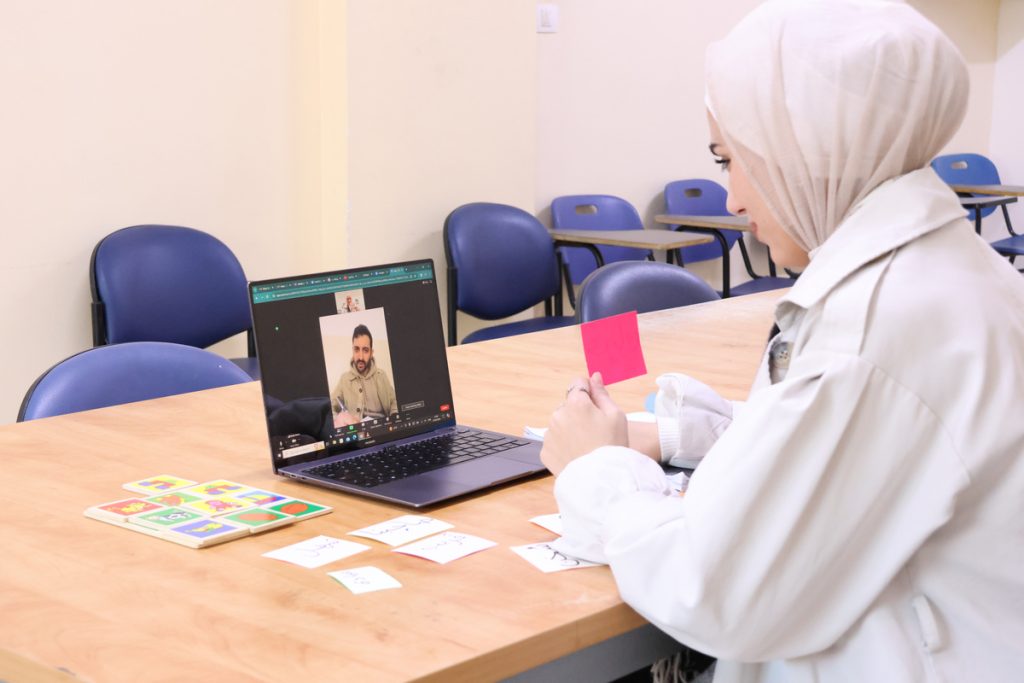
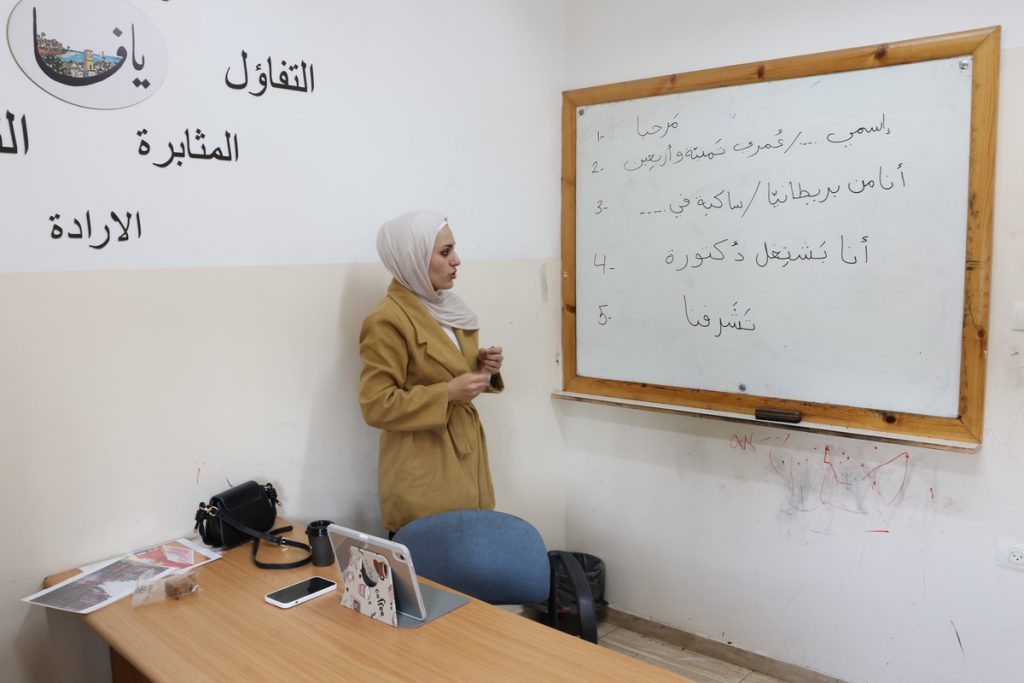
Learning Arabic as an Adult Beginner
Adults often worry that they started Arabic too late, but adult learners bring real advantages. You can understand grammar explanations, connect new words to things you already know, and set clear goals for why you are learning.
Your tutor builds on these strengths. Lessons explain why Arabic works the way it does, not only what to memorize, and new vocabulary is linked to your work, studies, and interests.
One-to-One Beginner Lessons
Private one-to-one lessons give you a fully personalized course. Your tutor follows your pace, spends more time on the letters or grammar points you find difficult, and builds lessons around your reasons for learning.
This format is ideal if you have a specific goal, such as preparing for university study, reading work documents, or getting ready for a stay in the Arab world, or if you need a flexible schedule.
Small Group Beginner Courses
If you enjoy learning with others, you can join a small group course, depending on availability.
Group lessons let you:
- Practice dialogues with other learners
- Learn from questions other students ask
- Take part in reading and vocabulary activities together
- Stay motivated through a shared schedule
Group courses run according to course schedules and student demand.
Beginner Modern Standard Arabic Course Overview
| Feature | Details |
|---|---|
| Course | Beginner Modern Standard Arabic Online Course |
| Language | Modern Standard Arabic (Fusha) |
| Level | Complete beginners to elementary |
| Lesson format | One-to-one or small group |
| Lesson length | 45 minutes |
| Course length | 10 to 100 hours, chosen by the student |
| Hours per week | Flexible, from 1 hour to intensive schedules |
| Skills | Reading, writing, speaking, listening, vocabulary, and grammar |
| Self-study | Guided tasks set by your tutor between lessons |
| Participants | 16 to 75 years old |
| Online platforms | Zoom, Skype, WhatsApp, and others |
| Class times | Flexible, in any time zone |
| Learning materials | Free PDF materials and booklet |
| University credit | Available |
| Certificate | Certificate of Completion from Volunteer for Palestine |
| Trial lesson | Free |
| Placement test | Free |
| Fees | See our fees and payment options |
Modern Standard Arabic or Levantine Arabic?
Many beginners ask which form of Arabic they should learn first. The answer depends on your goals.
If you want to read and write Arabic, follow the news, study at university, or work with formal texts, Modern Standard Arabic is the right starting point.
If your main goal is everyday conversation with people from Palestine, Jordan, Syria, or Lebanon, spoken Levantine Arabic may serve you better.
Many learners end up studying both. Starting with MSA gives you the alphabet, a strong vocabulary base, and a clear grammar framework, all of which make a dialect easier to pick up later. You can read more about our Modern Standard Arabic online program and how it connects with our other courses.
Tips for Mastering the Arabic Script
For most beginners, the alphabet is the first big milestone. These habits help it stick faster:
- Learn letters in groups that share a shape, since many differ only in their dots
- Say each letter aloud as you write it, so sound and shape connect in your memory
- Practice a few minutes every day rather than one long session per week
- Read real words early, such as names, cities, and café menus, instead of only isolated letters
- Keep a small notebook of new words in Arabic script, without transliteration
- Ask your tutor to dictate short words so you practice writing what you hear
Who Is the Beginner Course For?
Our beginner MSA course welcomes:
- Complete beginners with no knowledge of Arabic
- Learners who tried to teach themselves the alphabet and want structured help
- University students preparing for Arabic or Middle Eastern studies
- Professionals who need to read Arabic documents or signs
- Heritage learners who speak a dialect but cannot read or write
- Learners interested in Arabic literature, history, or religious texts
- Anyone who wants a flexible, structured way to learn Arabic online
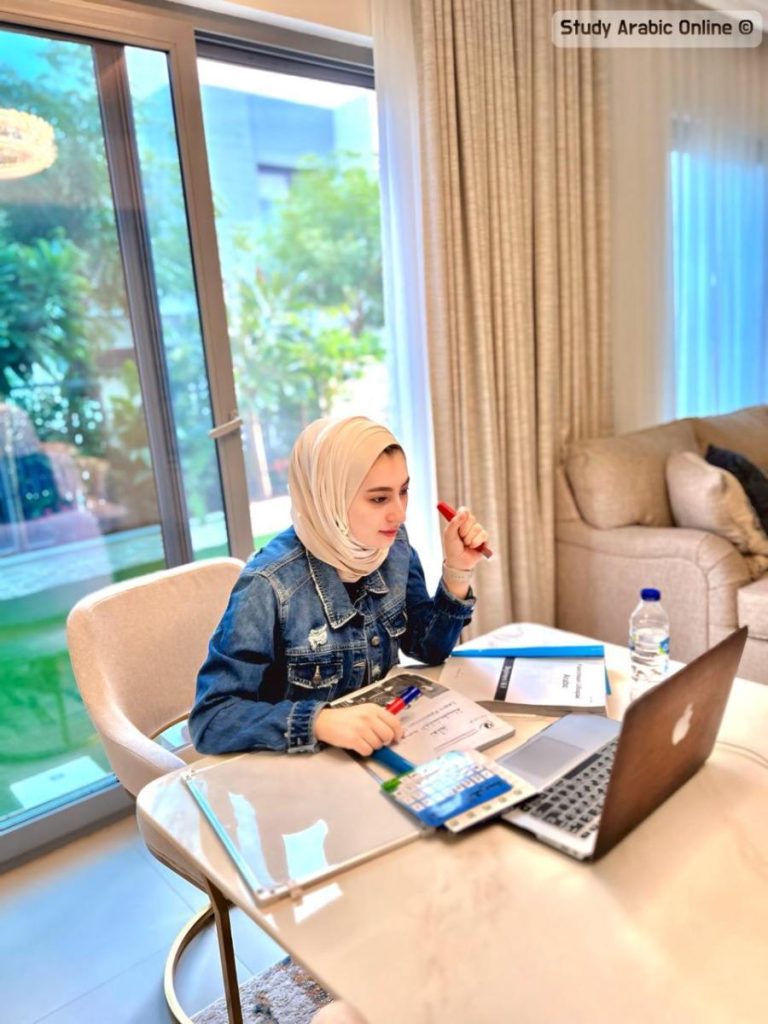
The course is open to adults from 16 to 75, and younger learners can join our kids and teens courses. All you need is a device with a camera and microphone and a stable internet connection.
Common Questions from Beginners
Do I Need to Know the Alphabet Before My First Lesson?
No. The course starts with the letters themselves, and your tutor introduces them step by step.
How Long Does It Take to Read Arabic?
It depends on how often you study, but many learners can read simple words within their first few weeks and short sentences soon after. Regular practice between lessons makes a big difference.
Will I Learn to Speak, or Only to Read and Write?
You will do both. Reading and writing are a central part of MSA, but every lesson also includes listening and short spoken exchanges, so you build all four skills together.
Is Arabic Hard for English Speakers?
Arabic is different from English, especially in its script and some of its sounds, but it is also very logical. Words are built from roots and patterns, so once you understand the system, vocabulary grows quickly. With a clear plan and regular practice, beginners usually progress faster than they expect.
What Materials Will I Use?
Your tutor provides PDF materials for each stage, including alphabet charts, reading and writing exercises, vocabulary lists, and short dialogues. All materials are free, so you do not need to buy any textbooks to get started.
Can I Learn a Dialect Later?
Yes. Many learners add Levantine or another dialect once they have a foundation in MSA. The shared alphabet, roots, and grammar make the transition much easier.
How to Get Started
1. Book Your Free Trial Lesson
Fill in a short form to book your free trial. You will meet your tutor, try a real beginner lesson, and talk about your goals.
2. Choose Your Format and Hours
Decide whether you prefer one-to-one lessons or a small group, and how many hours per week fit your schedule.
3. Start Your Lessons
Your tutor prepares a plan for your first stage, beginning with the alphabet and simple greetings.
4. Keep Practicing
Complete your guided self-study tasks, read new words aloud, and write a few lines in Arabic whenever you can.
Reviews and Community Awards
Volunteer for Palestine has been honored with several prestigious Community Awards and recognized as the Best Language School and Top Volunteer and Internship Program Provider for 2019, 2021, 2022, 2023, 2024, and 2025. For more details, please visit our profiles on GoOverseas.com and GoAbroad.com.


- +1000 reviews (96.8%) on gooverseas.com
- +190 reviews (93%) on goabroad.com
- Check our awards here
- Participants’ video testimonials
Start Learning Modern Standard Arabic Today
Every Arabic reader once started with a single letter. With an experienced native tutor guiding you, the alphabet quickly turns into words, the words into sentences, and the sentences into your first real conversations.
At Volunteer for Palestine, the beginner MSA course is flexible, structured, and built around your goals. You choose one-to-one or group lessons, the number of hours, and the times that suit you, and your tutor makes sure each lesson brings visible progress.
The easiest way to begin is to try a lesson. Book your free trial lesson, meet your tutor, and write your first words in Arabic.
Contact Us
If you have any questions, please feel free to contact us at:
EC Website: https://excellencenter.org/
Instagram: https://www.instagram.com/excellence.center
Facebook page: https://www.facebook.com/ExcellenceCenter
YouTube page: https://www.youtube.com/@theexcellencecenterinpales4961
